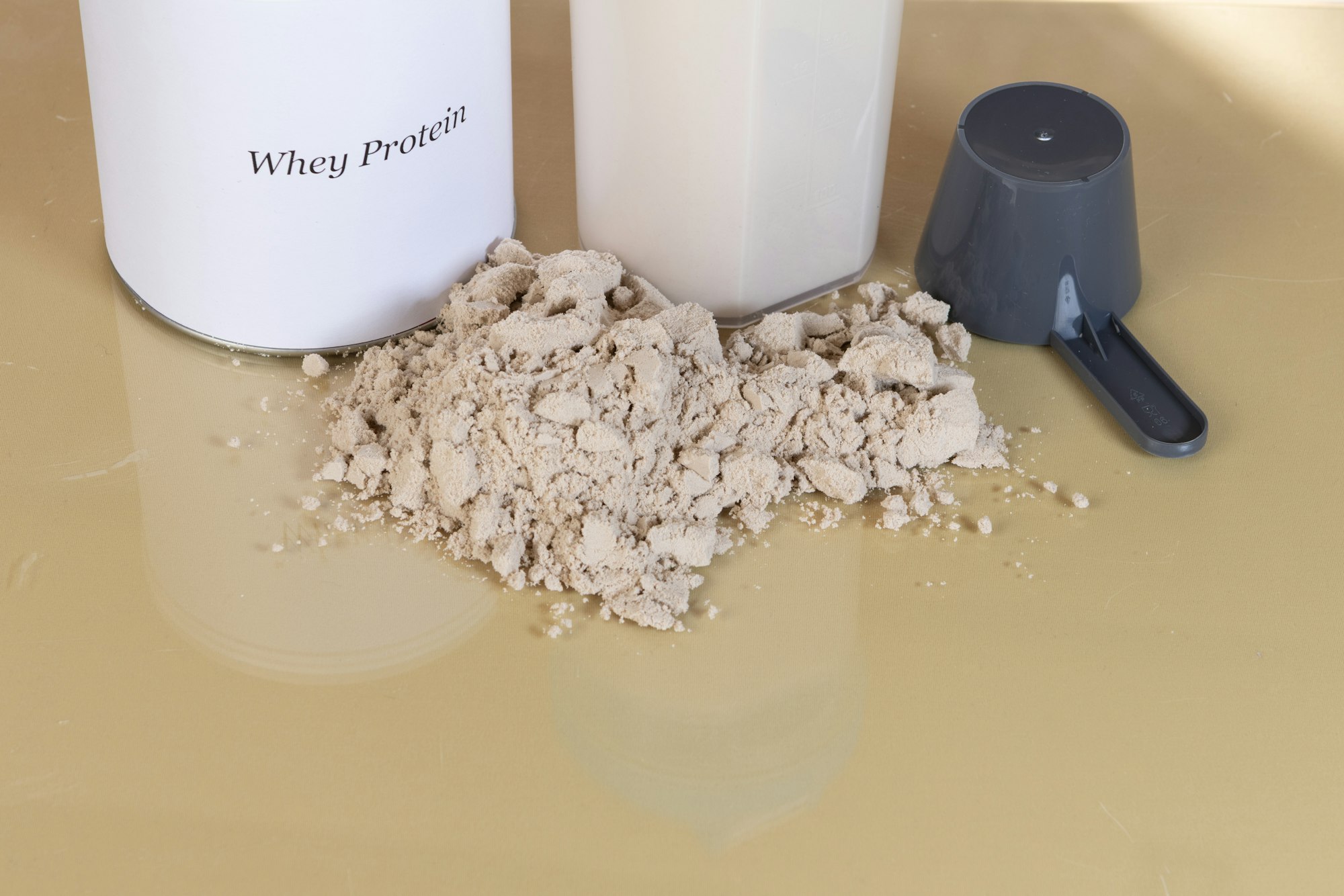
Whey vs Plant Protein: Which Is Better for Muscle Gain?
You walk into the supplement aisle (or open Amazon) and there it is — the eternal choice: whey or plant protein?
Both will build muscle. Both will help you hit your protein target. But they're not identical, and one might be better for you depending on your diet, digestion, and budget.
This is a straight comparison — no bias, no brand deals, just the facts.
1. The Basics
| Whey Protein | Plant Protein | |
|---|---|---|
| Source | Cow's milk (byproduct of cheese-making) | Peas, rice, hemp, soy, or blends |
| Protein per scoop | 25–30 g | 20–25 g |
| Digestion speed | Fast | Moderate |
| Complete protein? | ✅ Yes | ⚠️ Depends on the blend |
| Best for | Most lifters, budget-conscious | Vegans, lactose sensitive |
2. Muscle Building: Head to Head
Leucine Content
Leucine is the amino acid that triggers muscle protein synthesis — the process that builds muscle. Higher leucine = more muscle-building signal per scoop.
| Protein | Leucine per 25 g Protein |
|---|---|
| Whey Concentrate | ~2.5 g |
| Whey Isolate | ~2.6 g |
| Pea Protein | ~2.0 g |
| Rice Protein | ~1.8 g |
| Hemp Protein | ~1.4 g |
| Soy Protein | ~2.1 g |
Winner: Whey. But a quality pea-and-rice blend can match whey's leucine content.
Muscle Protein Synthesis (MPS)
Multiple studies directly comparing whey vs plant protein show:
- Whey produces a larger initial spike in MPS (due to faster digestion and higher leucine)
- Plant protein produces a smaller but more sustained elevation
- Over 24 hours, the difference is minimal — assuming total protein intake is adequate
Bottom line: Whey has a slight edge, but only if you're skimping on total daily protein. If you eat enough protein overall, plant protein works just as well.
3. Digestibility
Whey
- Fast-digesting — amino acids hit your bloodstream within 30-60 minutes
- Great for post-workout
- Contains lactose — problematic for ~65% of the global population who are lactose intolerant
Plant Protein
- Slower digestion — amino acids release over a longer period
- No lactose at all
- Some brands have a gritty texture or "earthy" taste
- Pea protein is highly digestible for most people
| Issue | Whey | Plant |
|---|---|---|
| Bloating | Possible (lactose) | Rare |
| Gas | Possible | Possible (pea protein can cause it) |
| Stomach cramps | Possible (lactose) | Uncommon |
Winner: Plant for sensitive stomachs. Whey for everyone else.
4. Cost Comparison
| Type | Price Per Serving | Price Per 25 g Protein |
|---|---|---|
| Whey Concentrate | $0.80–1.20 | $0.80–1.20 |
| Whey Isolate | $1.20–2.00 | $1.20–2.00 |
| Pea & Rice Blend | $1.00–1.80 | $1.25–2.25 |
| Soy Protein | $0.70–1.10 | $0.70–1.10 |
| Hemp Protein | $1.50–2.50 | $2.50–4.00 |
Winner: Whey concentrate is the cheapest protein source per gram. Soy protein is the cheapest plant option.
5. Taste and Texture
| Aspect | Whey | Plant |
|---|---|---|
| Taste | Creamy, mild, mixes well with anything | Earthy, sometimes chalky |
| Texture in water | Smooth | Grainy (varies by brand) |
| Texture in milk | Thick, milkshake-like | Gritty in milk |
| Flavors | Wide variety, well-developed | Limited, hit-or-miss |
This is subjective, but whey wins on taste for most people. Plant protein has improved massively in recent years — brands like Orgain, Vega, and Naked Pea are genuinely good — but whey still tastes better to most palates.
6. Who Should Choose What
Choose Whey If:
- ✅ You tolerate dairy fine
- ✅ You want the most protein for your dollar
- ✅ You prefer a smooth, creamy shake
- ✅ You're focused on convenience and taste
Choose Plant If:
- ✅ You're vegan or vegetarian
- ✅ You're lactose intolerant (whey isolate might still work for some)
- ✅ You prefer a slower-digesting protein
- ✅ You want to avoid animal products for ethical/environmental reasons
You Can Also Do Both
Many people use whey post-workout (fast) and plant protein at other times (sustained). No rule says you have to pick one.
Quick Verdict
| Category | Winner |
|---|---|
| Muscle building | Whey (slight edge) |
| Digestion | Plant (if lactose sensitive) |
| Cost | Whey |
| Taste | Whey |
| Sustainability | Plant |
| Overall (most people) | Whey concentrate |
But here's the truth: The difference between whey and plant protein is small compared to the difference between taking protein and not taking protein. If you can only afford plant, buy plant. If whey bothers your stomach, go plant. The best protein is the one you'll actually drink consistently.
For a complete breakdown of all gym supplements — including creatine, pre-workout, vitamin D, and which ones to skip entirely — check out the Complete Guide to Gym Supplements.
Also worth reading: Creatine 101: Dosage, Timing, and Benefits — the single most effective supplement you can take alongside protein.
Disclaimer: This information is for educational purposes only. Consult a healthcare provider before starting any new supplement regimen.