Creatine 101: Dosage, Timing, Benefits, and What Science Actually Says
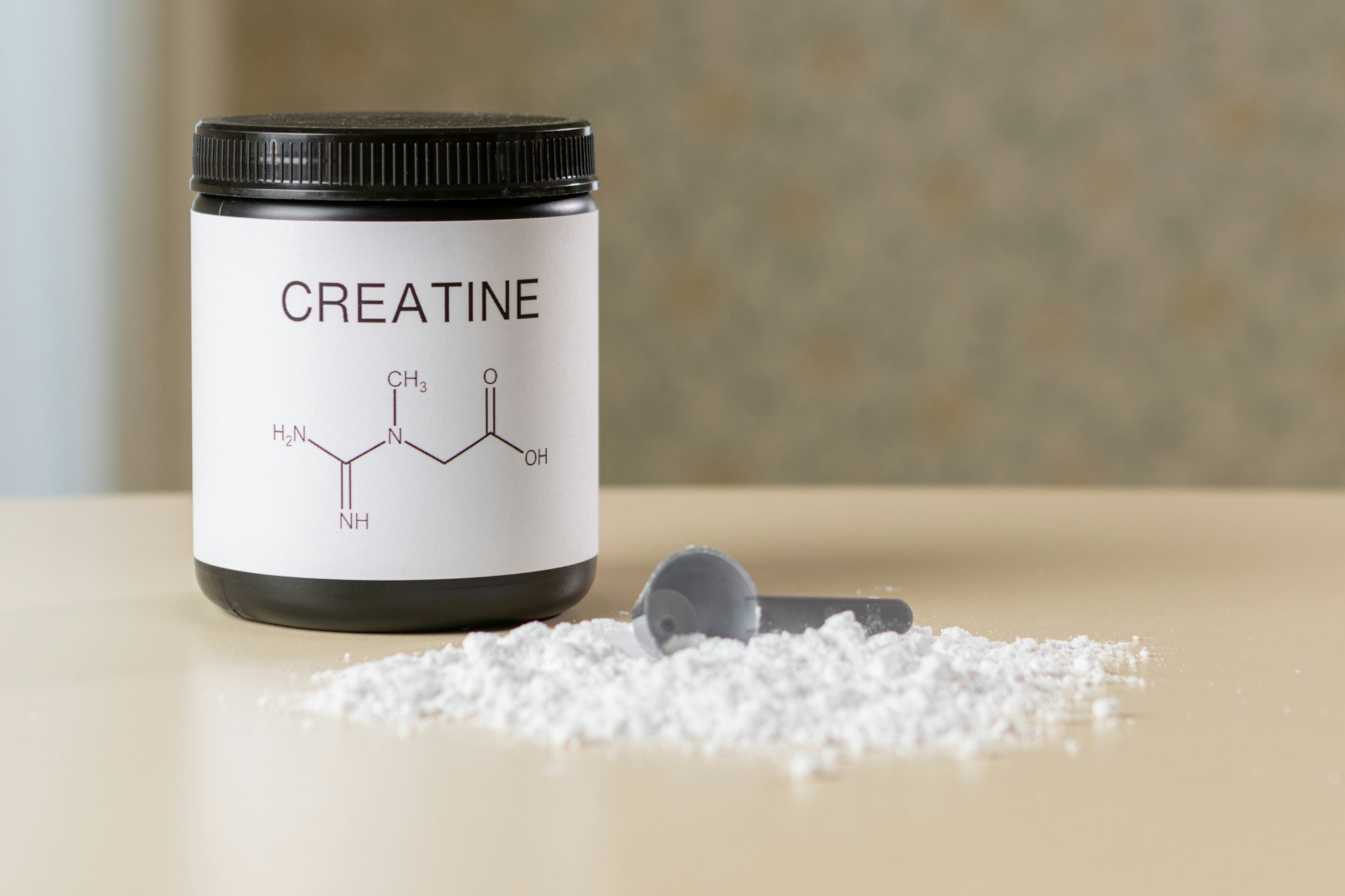
Creatine is the most researched supplement in the history of fitness. Over 1,000 studies. 30+ years of data. And the conclusion is the same every time: it works, it's safe, and it's cheap.
If you only take one supplement for the rest of your training career, creatine monohydrate is the one.
This guide covers the practical stuff — dosage, timing, myths — without the fluff.
1. What Creatine Actually Does
Your muscles use a molecule called ATP for explosive movements — lifting, sprinting, jumping. ATP runs out fast (about 10 seconds of max effort).
Creatine increases your muscles' phosphocreatine stores, which recycles ATP faster so you can:
- Squeeze out 1-2 more reps per set
- Recover faster between sets
- Build more strength and muscle over time
It's not a stimulant. You won't "feel" it like caffeine. It's a fuel tank upgrade — your engine runs longer between refuels.
2. Dosage: How Much to Take
The standard recommendation is simple:
5 grams per day. Every day. Forever.
That's it. No cycling, no "loading" required, no complicated math.
What About Loading?
Loading means taking 20 g/day (4 × 5 g doses) for 5-7 days to saturate muscles faster.
| Method | Time to Full Saturation | Daily Dose |
|---|---|---|
| Loading then maintenance | 5-7 days | 20 g then 5 g |
| Straight maintenance | 3-4 weeks | 5 g |
Recommendation: Skip the loading phase. Taking 5 g daily is simpler, avoids potential bloating from high doses, and you'll be fully saturated in 3-4 weeks anyway.
3. Timing: Does It Matter When You Take It?
Short answer: No, not really.
Long answer: Some studies suggest a slight benefit to taking it post-workout (when muscle blood flow is highest), but the difference is marginal.
What matters more: Taking it consistently every single day. Creatine accumulates in your muscles over time — missing a dose here and there doesn't matter, but taking it daily does.
Practical Approach
| Scenario | Recommendation |
|---|---|
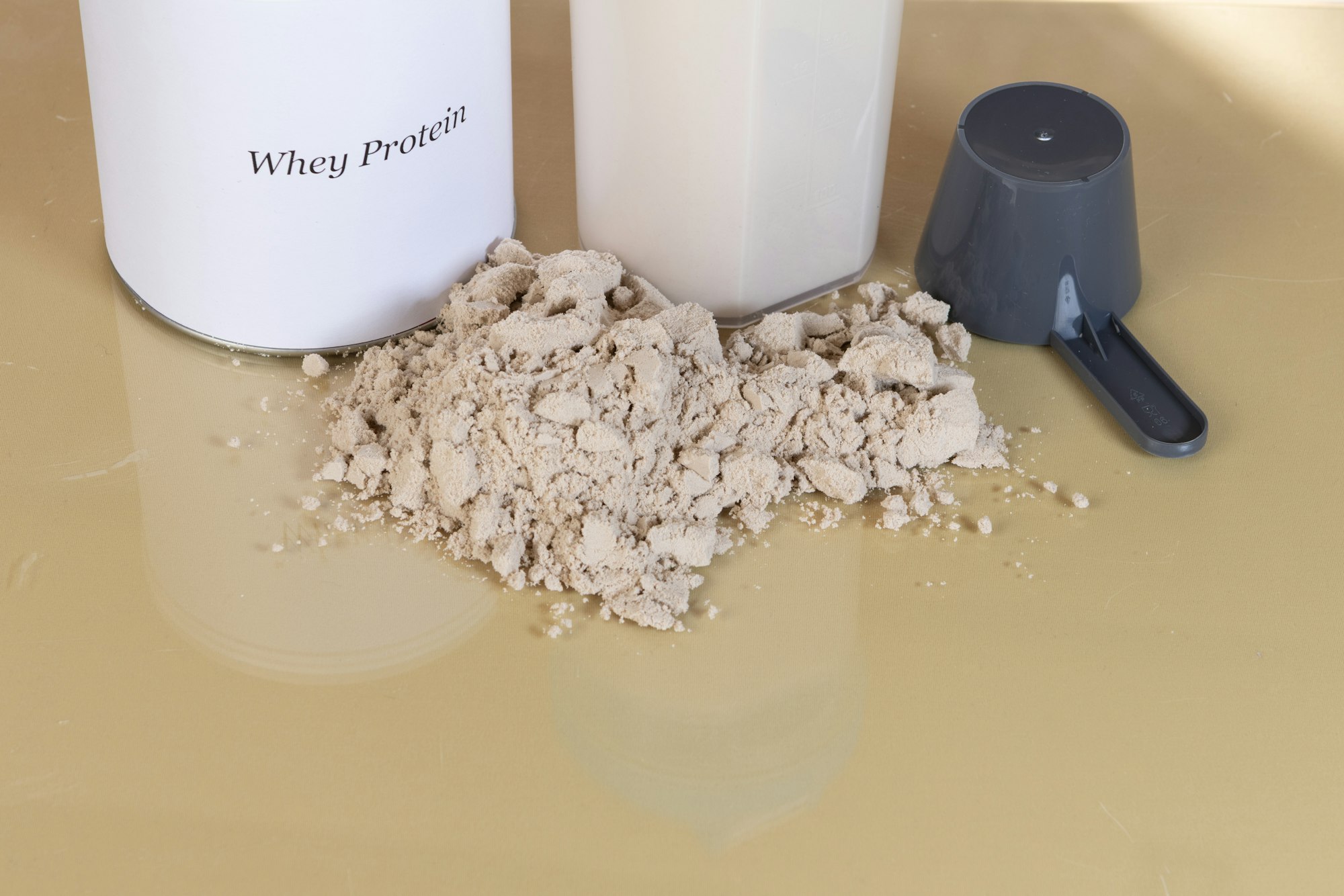
| Training days | Toss 5 g into your post-workout protein shake |
| Rest days | Take it with any meal — breakfast works great |
| Travel / forgot | Just take it when you remember, don't double up |
4. Forms: Which Type to Buy
There are many forms of creatine on the market. Only one is worth your money:
| Type | Verdict |
|---|---|
| Creatine Monohydrate | ✅ The only one you need. 1,000+ studies, $8-12/month |
| Creatine HCl | ❌ Marketing. Claims fewer side effects, no evidence it's better |
| Creatine Ethyl Ester | ❌ Degrades into creatinine (waste product) in the stomach |
| Buffered Creatine | ❌ "Kre-Alkalyn" — gimmick, no advantage over monohydrate |
| Micronized Creatine | ✅ Same as monohydrate, just finer powder (mixes easier) |
Buy creatine monohydrate (or micronized). A generic tub from any reputable brand is just as effective as the expensive stuff.
5. Side Effects: What You Need to Know
Water Retention (The "Bloated" Look)
Creatine pulls water into your muscle cells. This gives your muscles a fuller, bigger appearance (a good thing) and adds 2-4 lbs of water weight temporarily.
This is cosmetic and harmless. It's not bloating in the stomach — it's intracellular water in your muscles.
Hair Loss
The internet loves this myth. The theory was that creatine increases DHT (a hormone linked to hair loss). One study from 2009 on rugby players showed a DHT increase, but:
- No follow-up study has replicated the finding
- No study has ever shown creatine causes actual hair loss
- Thousands of men have taken creatine for decades with no pattern of hair loss
Verdict: Not a real concern for most people. If you're genetically prone to aggressive hair loss, consult a doctor — but for 99% of people, creatine won't affect your hair.
Kidney Damage
Another myth that won't die. Creatine temporarily increases creatinine levels in the blood (creatinine is a waste product, not the same thing as creatine). This can show up as a "high" marker on kidney function blood tests.
- Creatine has never been shown to cause kidney damage in healthy individuals
- Decades of research confirm safety at 5 g/day long-term
- If you have pre-existing kidney disease, consult a doctor first
Stomach Discomfort
Some people get mild digestive issues, usually from taking too much at once (loading phase). Sticking to 5 g/day and mixing it well usually solves this.
6. Who Benefits Most
| Person | Benefit |
|---|---|
| Lifters | More reps, more strength, more muscle over time |
| Sprinters / athletes | Improved explosive performance |
| Vegetarians / vegans | Larger benefit — plant-based diets are naturally low in creatine |
| Older adults | Helps preserve muscle mass and cognitive function |
| Endurance athletes | Minimal benefit — creatine is for short bursts, not marathons |
7. Stacking: What to Take With Creatine
Creatine pairs well with anything, but these combinations work especially well:
| Stack | Why |
|---|---|
| Creatine + Protein Shake | Convenient, protein aids muscle repair |
| Creatine + Carbs | Carbs spike insulin, which may increase creatine uptake |
| Creatine + Caffeine | Once controversial, now considered fine together |
Just don't overthink it. 5 g creatine daily, with anything, consistently.
Quick Reference
| Question | Answer |
|---|---|
| How much? | 5 g daily |
| When? | Whenever — consistency > timing |
| Loading? | Skip it. Just take 5 g daily |
| Cycling? | Not needed. Take it year-round |
| Best form? | Creatine monohydrate (or micronized) |
| Side effects? | 2-4 lbs water weight (in muscles), nothing serious |
| Hair loss? | Myth — no evidence |
| Works for? | Strength, muscle, power, recovery |
| Cost? | $8-12/month |
| Worth it? | Yes — single best supplement you can buy |
For a complete breakdown of all gym supplements — including whey protein, pre-workout, vitamin D, and which ones to skip entirely — check out our full Complete Guide to Gym Supplements.
Disclaimer: This information is for educational purposes only. Consult a healthcare provider before starting any new supplement, especially if you have pre-existing medical conditions.