How Much Protein Do I Need Per Day? A Simple Calculator
This is the most common nutrition question in fitness. Here's the short answer:
1.6–2.2 grams of protein per kilogram of body weight per day.
That's it. That's the number backed by hundreds of studies. Let's make it practical.
Quick Protein Calculator
| Your Weight | Protein Target (1.6–2.2 g/kg) |
|---|---|
| 120 lb (54 kg) | 86–119 g |
| 140 lb (64 kg) | 102–140 g |
| 160 lb (73 kg) | 117–160 g |
| 175 lb (79 kg) | 126–174 g |
| 180 lb (82 kg) | 131–180 g |
| 200 lb (91 kg) | 146–200 g |
| 220 lb (100 kg) | 160–220 g |
| 250 lb (113 kg) | 181–249 g |
Pick the lower end if you're maintaining or losing weight. Pick the higher end if you're actively trying to build muscle.
Does More Protein Help?
Above 2.2 g/kg, the benefits plateau. Eating 300 g of protein when you weigh 175 lbs won't build more muscle than eating 175 g — it's just extra calories.
That said, higher protein is useful in two situations:
- During a calorie deficit — protein keeps you full and preserves muscle
- If you're very active — athletes may benefit from up to 2.5 g/kg
For most people: 1.6–2.2 g/kg, every day, consistently.
How to Hit Your Target
| Food | Protein | To Reach 175 g You'd Need |
|---|---|---|
| Chicken breast (100 g) | 31 g | ~565 g (1.25 lbs) |
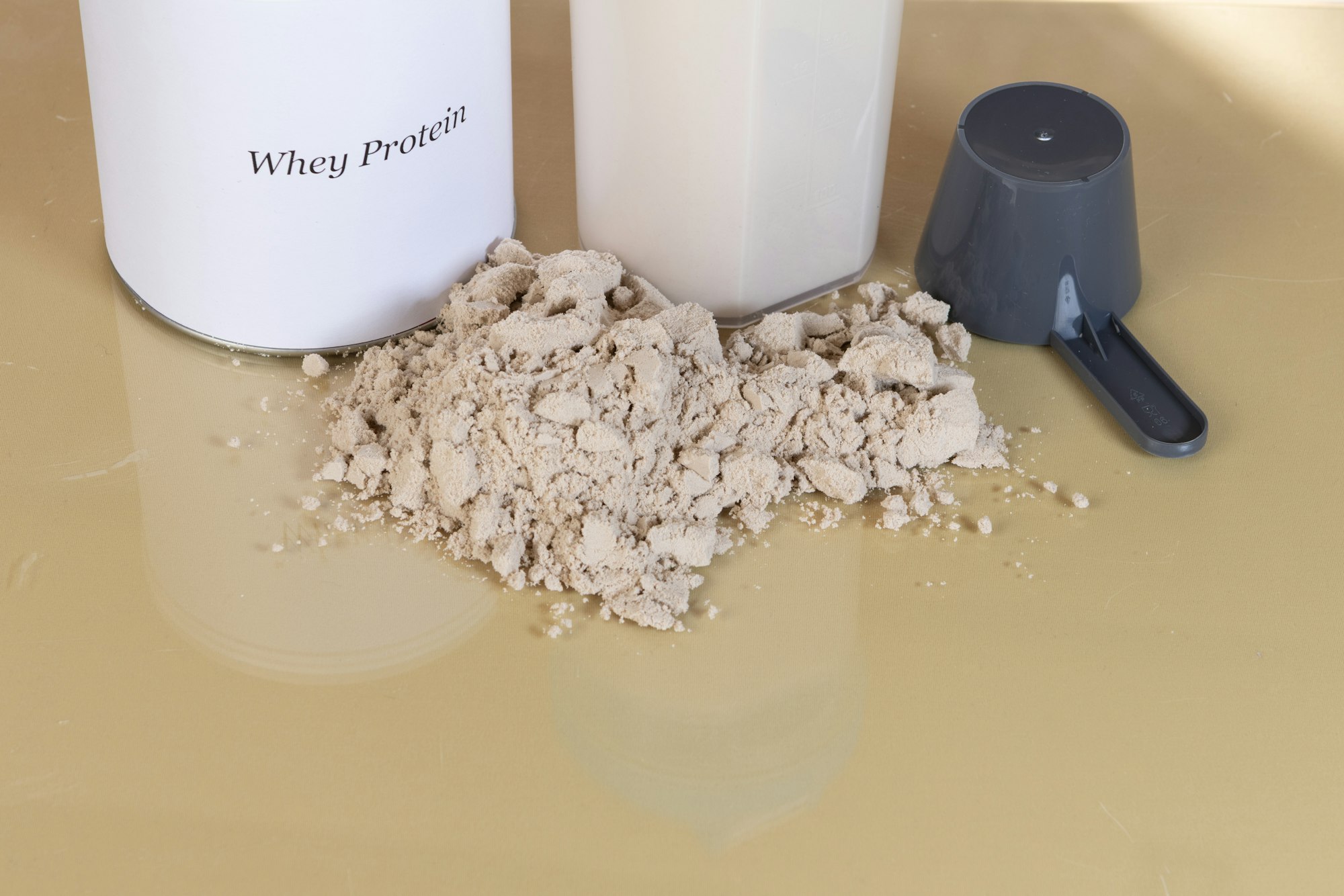
| Whey protein (1 scoop) | 25 g | 7 scoops |
| Eggs (3 large) | 18 g | ~29 eggs |
| Greek yogurt (200 g) | 20 g | ~875 g |
| Salmon (100 g) | 25 g | ~700 g |
Practical approach: Include a protein source at every meal. A scoop of whey in the morning, chicken at lunch, eggs or fish at dinner — you'll hit 150+ g without thinking.
For a complete breakdown of supplements that help you hit protein targets — including whey vs plant protein — read the Complete Guide to Gym Supplements.
Also worth reading: How to Track Macros: A Beginner's Guide for the full system on calories, carbs, and fat.
Disclaimer: This is for educational purposes. Individual needs vary. Consult a professional for personalized advice.